Perimenopause is the window to protect a woman's heart.
An international alliance of cardiologists, neurologists, gynecologists and women's health researchers, working to recognize the transition in time to prevent heart disease and stroke.
The leading cause of death in women begins to build in midlife

400,000+ US women die of cardiovascular disease each year, more than from breast cancer, lung cancer and chronic lung disease combined

80%+ of heart attacks, strokes and heart failure events after menopause are considered preventable with early action

77% higher risk of later cardiovascular events in women with persistent, frequent hot flashes
Most heart attacks, strokes and cases of heart failure in women occur after menopause, a stage that can span up to 40% of a woman's life. The evidence increasingly points to the years before it as the moment to act.
During perimenopause, lipid profiles, body composition, blood pressure and vascular function shift unfavorably, and cardiovascular risk begins to accelerate. Yet only 41% of women identify cardiovascular disease as their greatest health threat.
Why perimenopause2026 put perimenopause on the cardiology map
In October 2026, women's health became a national priority in the United States. In the same month, the American Heart Association, the American College of Obstetricians and Gynecologists, the American Academy of Pediatrics and the Society for Maternal-Fetal Medicine published the first joint framework linking women's cardiovascular risk to 4 hormonal life stages, with perimenopause as a distinct stage.

What happens to the heart during the transition
Three decades of cohort and trial data, led by the Study of Women's Health Across the Nation (SWAN), show one consistent pattern: cardiovascular risk factors and arterial structure change fastest in late perimenopause and the year around the final menstrual period.
The missing piece is detection
Perimenopause is defined by hormonal change, yet medicine still identifies it by bleeding patterns and symptoms after the fact.
What is missingToday, the gap has 4 parts
01
Measurement
Routine care relies on single blood draws for a process that changes daily.
02
Interpretation
No validated thresholds link a woman's hormone trajectory to her cardiovascular risk.
03
Timing
By the time cycle changes or symptoms are obvious, lipids and arteries may already be changing.
04
Integration
Hormonal data rarely reach the cardiologist, and cardiovascular data rarely reach the gynecologist.
Investing in women across the whole lifespan
Women's health received 8.8% of NIH grant spending from 2013 to 2023, and its share declined over that decade. NIH began tracking menopause as a funding category only in 2023, and perimenopause is still not tracked.
FundingNIH spent $59 million on menopause in FY2024, under a tenth of pregnancy research
NIH RCDC categories; categories overlap and are not additive. Women's Health Research overall: $3,073M.
Pregnancy
Maternal health
Preterm birth, low birth weight, newborn
Maternal morbidity and mortality
Embryonic and fetal periods
Infertility
Menopause (category since FY2023)
PMOS (formerly PCOS)
NIH funding, FY2024, US$ millions
| Pregnancy | 644 |
|---|---|
| Maternal health | 621 |
| Preterm birth, low birth weight, newborn | 433 |
| Maternal morbidity and mortality | 382 |
| Embryonic and fetal periods | 268 |
| Infertility | 221 |
| Menopause (category since FY2023) | 59 |
| PMOS (formerly PCOS) | 9 |
Source: NIH RCDC, FY2024, as reproduced by the American Society for Reproductive Medicine.Reference 15

What we aim to do
Make perimenopause an international priority
for women's cardiovascular health, in research, clinical care and public health.
Define the window
with evidence-based criteria to recognize the onset and progression of the transition in each woman, early enough to act.
Expand research on recognition
including validated, accessible methods to characterize the transition beyond bleeding patterns and single hormone measurements.
Expand research on mechanism
to characterize the trajectory and variability of ovarian hormones across the transition and how they relate to lipid metabolism, endothelial function, arterial remodeling, blood pressure, and the development of atherosclerotic cardiovascular disease and stroke.

Who we are
The International Perimenopause Alliance is an independent nonprofit alliance of clinical and research leaders in cardiology, stroke neurology, vascular medicine, gynecology and women's health research from the United States and Europe. We bring these disciplines together around the one stage of life where they all meet.
Who we areBoard of Directors
-
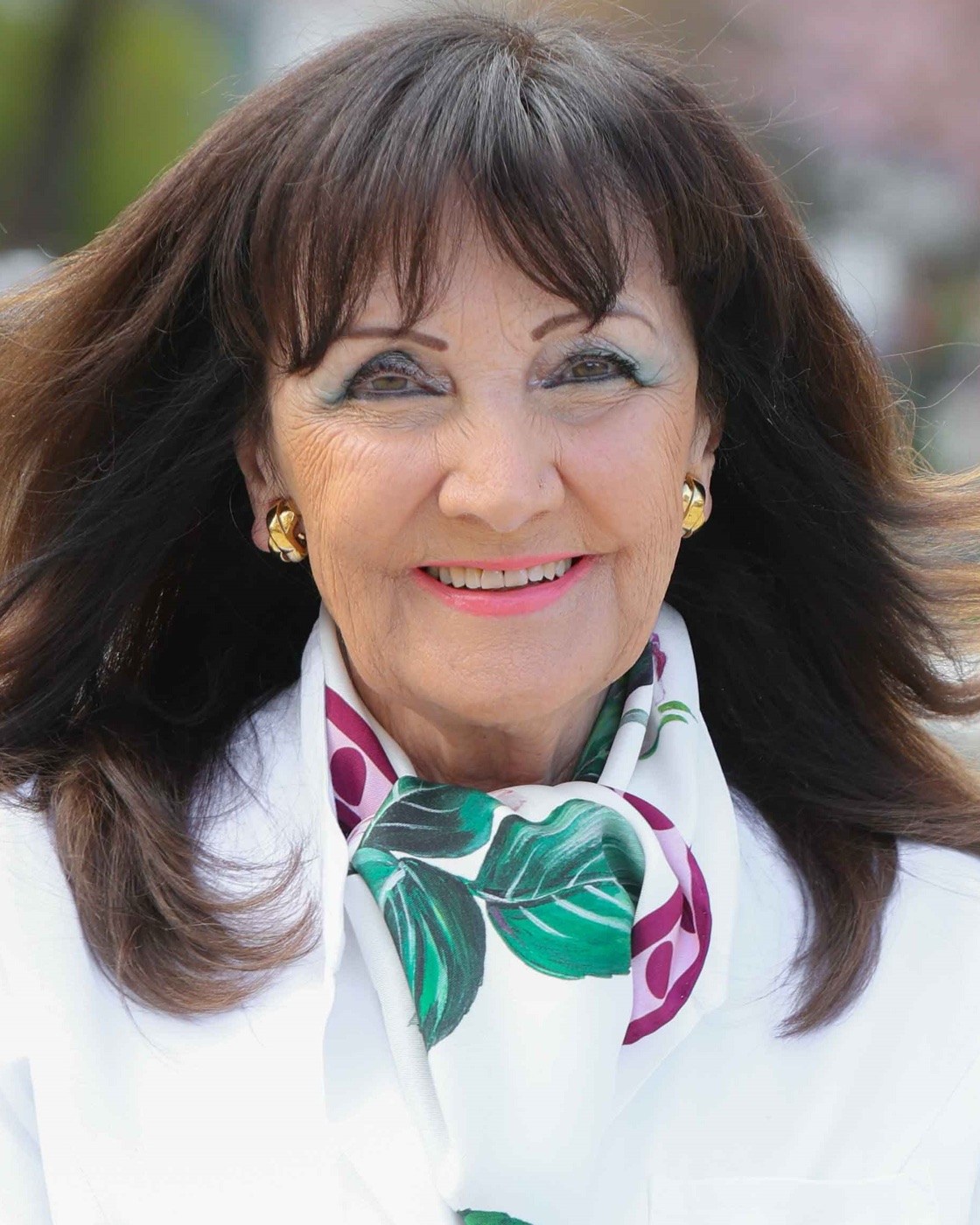
Prof. Marjeta Zorc, MD, PhD
Specialist in internal medicine, cardiology and vascular medicineFounder of MC Medicor, centre for heart and vascular disease, IzolaFormer Head of the Institute of Histology and Embryology, Faculty of Medicine, University of Ljubljana
Izola, Slovenia
-
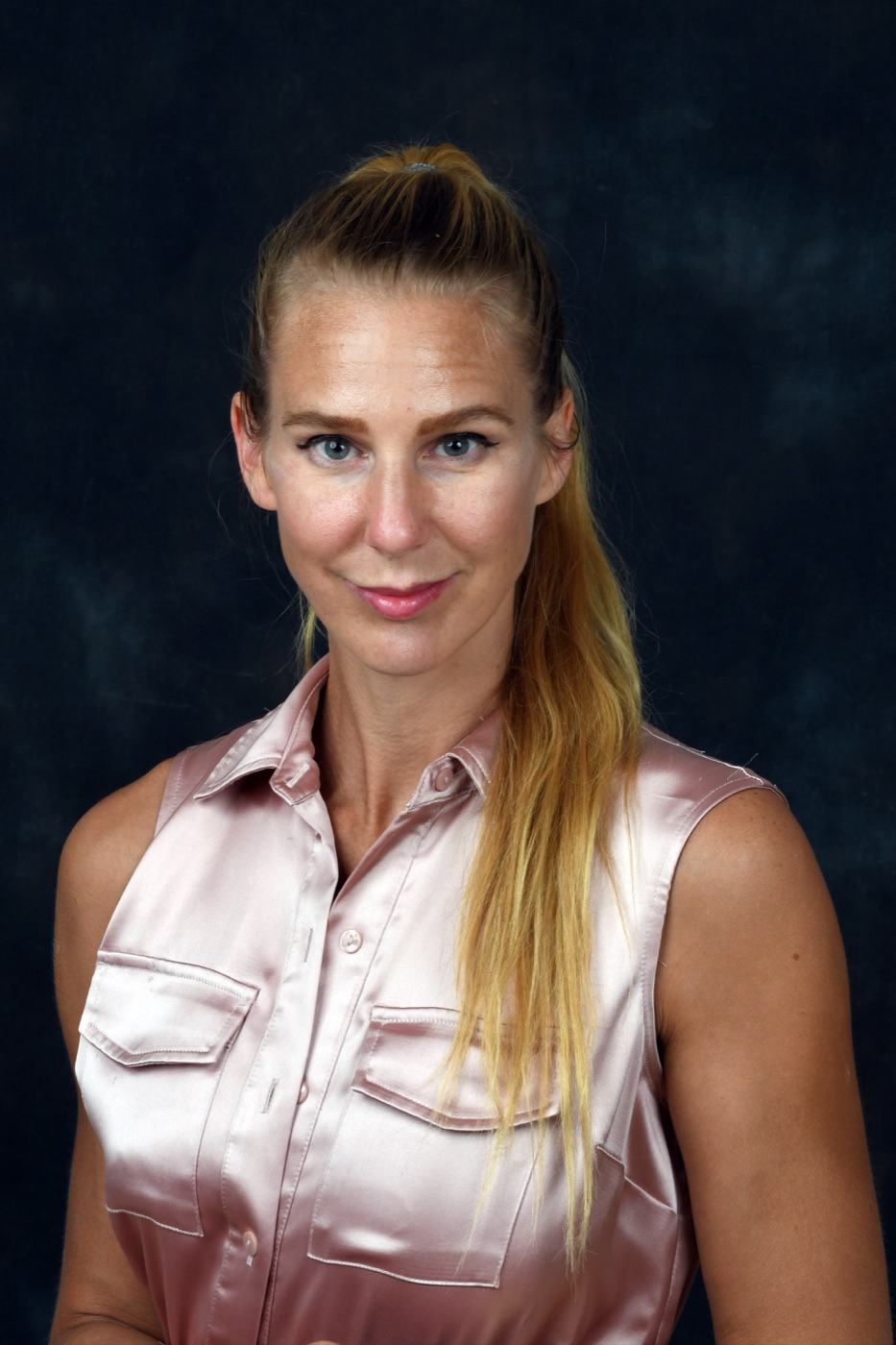
Polona Šafarič Tepeš, PhD
Assistant Professor, Donald and Barbara Zucker School of Medicine at Hofstra/Northwell HealthInstructor at Feinstein Institutes for Medical ResearchMember, Research Committee, Katz Institute for Women's Health, Northwell HealthR&D Officer, Women's Health Forum, Royal Academy of Science International Trust (RASIT)
New York, USA
-

Seth Plancher, MD
Adjunct Associate Professor, Department of Obstetrics and Gynecology, NYU Grossman Long Island School of MedicineObstetrician and Gynecologist, Director of Garden City Obstetrics and Gynecology, P.C. (Unified Women's Healthcare)Board certified in Obstetrics and Gynecology (American Board of Obstetrics and Gynecology, since 1997)
New York, USA
-
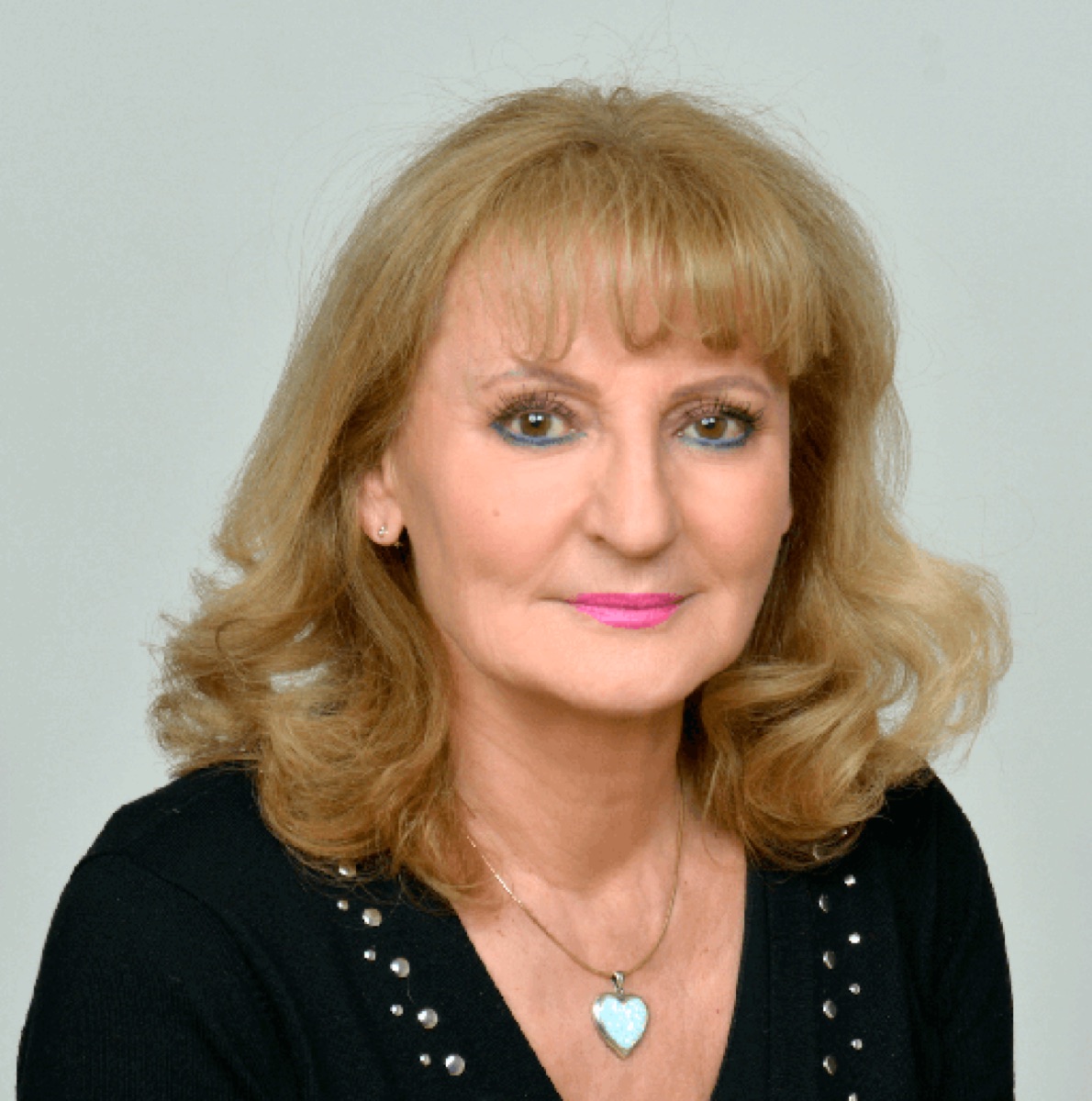
Prim. Prof. Bojana Žvan, MD, PhD, FESO
Neurologist. Full Professor, Faculty of Medicine, University of Ljubljana; former Head of the Clinical Department of Vascular Neurology, University Medical Centre Ljubljana
Ljubljana, Slovenia
-

Anže Urh, MD
Assistant Professor, Donald and Barbara Zucker School of Medicine at Hofstra/NorthwellGynecologic Oncologist, Department of Obstetrics and Gynecology, Northwell HealthBoard certified in Obstetrics and Gynecology and in Gynecologic Oncology (American Board of Obstetrics and Gynecology)Member, Society of Gynecologic Oncology
New York, USA
Join the alliance
We welcome clinicians, researchers, professional societies, institutions and supporters who share our goal: recognize the window in time, and protect a woman's heart for the decades that follow.